
Can I regulate a San Martin Watch myself to improve accuracy?
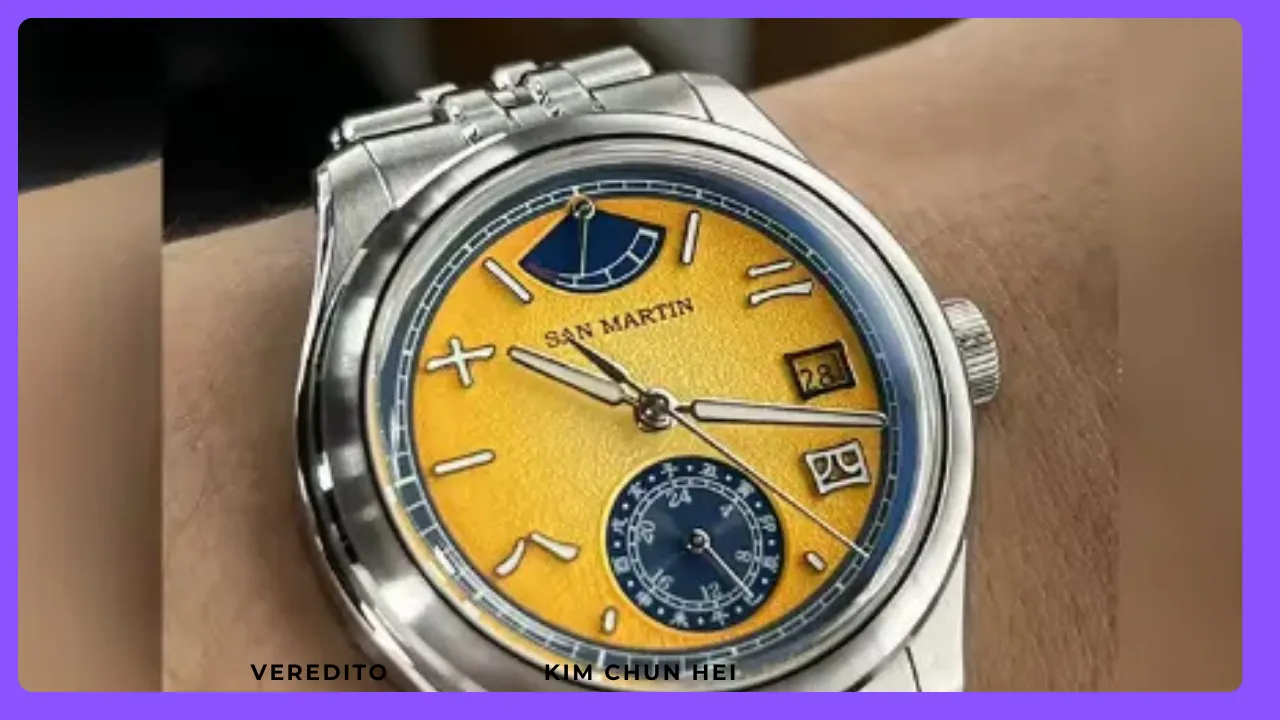
Can I Regulate a San Martin Watch Myself to Improve Accuracy?
Wearing a fine timepiece like a San Martin watch is not just about telling the time; it’s about precision, craftsmanship, and style. But what if your watch isn’t running accurately? You might be wondering if you can regulate your San Martin watch yourself to improve its accuracy. This article will delve into the intricacies of watch regulation, what it entails, and guide you on whether it’s possible for you to tackle this task on your own.
Understanding Watch Regulation
Watch regulation refers to the process of adjusting a watch’s movement to improve its timekeeping precision. Many watch enthusiasts are keen on monitoring the accuracy of their timepieces. If your San Martin watch seems to be running fast or slow, you might feel tempted to adjust it yourself.
What is a San Martin Watch?
San Martin is known for its quality dive watches that incorporate excellent craftsmanship and reliable movements. They often feature automatic movements, which can sometimes require fine-tuning to ensure they perform optimally. With an understanding of watch regulation, you’ll be better equipped to evaluate whether to attempt adjustments yourself or seek professional help.
Why Your San Martin Watch Might Be Inaccurate
Before diving into the regulation process, it’s essential to understand the reasons behind inaccuracies:
- Temperature Variations: Extreme heat or cold can affect the performance of watch movements.
- Magnetism: Exposure to magnetic fields can interfere with the watch’s mechanism.
- Positioning: The way you store your watch can influence its timekeeping ability.
- Age and Wear: Over time, mechanical components can wear down, affecting accuracy.
Determining if Regulation is Necessary
Not every minor deviation from the time is a sign that you need to regulate your San Martin watch. Here’s how you can determine if regulation is needed:
Checking Accuracy
Use a reliable timekeeping method, such as an atomic clock or a smartwatch, to compare the accuracy of your watch. Here’s how:
- Set your watch alongside a reliable time source.
- Monitor its performance over 24 hours.
- Check how much time it gained or lost during that period.
Understanding the Tolerance Levels
Most automatic watches, including those made by San Martin, typically experience an accuracy range of +15/-15 seconds per day. If your watch is consistently outside this range, it may benefit from regulation.
Can You Self-Regulate a San Martin Watch?
Now, here comes the most critical question: can you regulate your San Martin watch yourself? While it’s technically possible, the process is not recommended for everyone.
Tools Required for Self-Regulation
If you are inclined to attempt this yourself, you will need specific tools:
- Watchmaker’s Screwdrivers: For opening the case back and adjusting movements.
- Loupe or Magnifying Glass: To see small components clearly.
- Timegrapher: To test the watch’s accuracy.
Understanding the Movement
Before making any adjustments, familiarize yourself with the type of movement in your San Martin watch. Most models use either the Seiko NH35/36 or the Miyota 9015 movements, both of which have different methods for regulation.
Step-by-Step Guide to Regulating Your San Martin Watch
If you feel confident and ready to proceed, follow these general steps for self-regulation:
1. Opening the Case
Carefully unscrew the case back using your watchmaker’s screwdriver. Be gentle to avoid damaging the gasket, which ensures water resistance.
2. Locating the Regulator
Find the regulator mechanism. It’s typically a small lever near the escapement of the movement.
3. Making Adjustments
To increase accuracy:
- Move the regulator towards the plus (+) sign to speed up the time.
- Move it towards the minus (-) sign to slow it down.
Make minimal adjustments, as even slight movements can greatly affect timekeeping.
4. Reassembling the Watch
Once adjustments are made, it’s crucial to carefully replace the case back, ensuring the gasket is properly seated to maintain water resistance.
5. Testing Accuracy
Use your timekeeping method to monitor how your watch performs over the next few days.
The Risks of Self-Regulation
While adjusting your San Martin watch can be a rewarding challenge, there are risks involved:
- Potential Damage: Mistakes during the process could damage delicate components.
- Void Warranty: Performing self-regulation may void any existing warranties.
- Skill Level: Lack of experience can result in inaccurate adjustments instead of improvements.
When to Seek Professional Help
If you’re feeling unsure or your adjustments don’t yield the desired accuracy, it’s best to seek help from a professional watchmaker or jeweler. They possess the knowledge, experience, and tools to make precise adjustments while minimizing risks.
Caring for Your San Martin Watch
Proper care can prolong the accuracy of your watch’s movement. Here’s how to maintain your timepiece:
- Regular Cleaning: Keep your watch clean with gentle cloths to prevent dirt buildup.
- Prevent Exposure: Keep your watch away from magnetic or extreme environment.
- Service Regularly: Follow manufacturer guidelines for periodic servicing.
Why Invest in a San Martin Watch?
Purchasing a San Martin watch is a decision rooted in quality and style. Here are compelling reasons to consider:
- Exceptional Craftsmanship: Each watch is meticulously crafted to offer durability and aesthetics.
- Affordability: Offers premium features at competitive prices compared to luxury brands.
- Variety: A broad range of styles caters to diverse tastes and preferences.
Conclusion
In summary, while you can technically regulate a San Martin watch yourself, it requires skill, the right tools, and an understanding of watch mechanics. If you are cautious and aware of the risks, it can be a gratifying project that connects you closer to your timepiece. However, if in doubt, seeking professional assistance is always a wise option. Whether you choose to tackle the project or not, loving and caring for your San Martin watch will enhance your ownership experience.

Watches, including San Martin models, are precision instruments that occasionally require adjustments for optimal accuracy. Regulating a watch can enhance its timekeeping abilities, ensuring it runs within the desired range. However, self-regulation should be approached with caution, especially by those lacking experience in horology. Understanding the intricate mechanics involved is vital. When in doubt, seeking help from a professional watchmaker ensures your watch not only remains functional but also retains its value. Investing in a San Martin watch is a great choice; they offer quality, durability, and style that can elevate any collection.
FAQ
Can I regulate my San Martin watch myself?
While it’s possible to regulate your San Martin watch at home, it’s recommended only for those who have experience with watch movements. Improper adjustments can cause damage. Beginners should consult a professional watchmaker.
What tools do I need to regulate my watch?
You will need specific tools such as a case opener, a screwdriver, and a fine adjustment tool. Additionally, a timing machine can help in measuring accuracy effectively.
Is it necessary to regulate my watch?
Regulation is not always necessary, but if your watch is consistently gaining or losing time, it’s a good idea to adjust it for improved accuracy. Regular maintenance can also prolong its lifespan.
How often should I regulate my watch?
The frequency of regulation depends on usage and environmental factors. If you notice a significant deviation in timekeeping, it might be time for a regulation. Annual checks by a professional can help maintain accuracy.
Will regulating affect my warranty?
If you self-regulate your watch, it may void the warranty. Always refer to the manufacturer’s guidelines or consult with the retailer before making adjustments to ensure continued protection.
Conclusion
Regulating a San Martin watch is a feasible task for experienced users, but vigilance is key to avoid potential damage. Investing in quality timepieces like San Martin ensures long-term satisfaction and reliability. For those unsure about self-regulation, professional assistance is advisable to preserve the watch’s integrity and value. Whether you choose to adjust it yourself or seek expert help, maintaining your watch is essential for accurate timekeeping and longevity.
Related Post

Which San Martin Watch models are best for diving or swimming?
When it comes to diving or swimming, having a reliable and durable watch is essential. [...]
How much should I budget for a good San Martin Watch model?
A San Martin Watch é conhecida por oferecer relógios de alta qualidade que combinam estilo [...]